Impulse vs Reaction Turbines: Energy Transfer, Flow and Installation
Impulse turbines extract energy from a free jet; reaction turbines use pressure and velocity changes inside a full, enclosed runner.
Latest stories
Impulse turbines extract energy from a free jet; reaction turbines use pressure and velocity changes inside a full, enclosed runner.
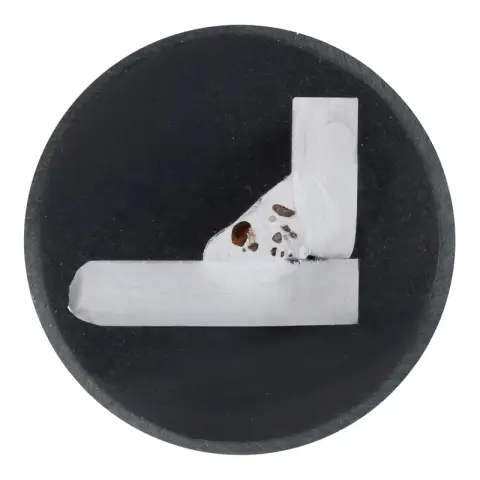
Porosity, cracks and fusion faults can weaken a weld. Learn what causes 10 common defects, how inspection finds them and which process checks help prevent them.
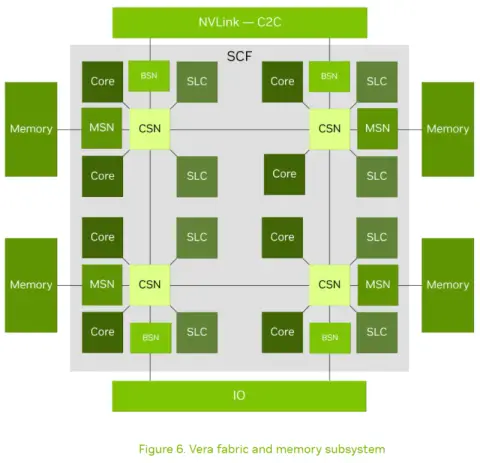
Vera pairs 1024-bit LPDDR5X memory and a shared 164 MB L3 with fast cores, but cross-socket latency and core count shape its workload fit.
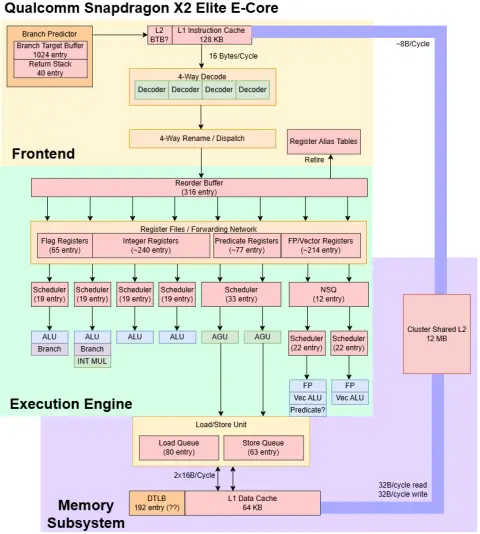
Snapdragon X2 Elite’s 3.6 GHz efficiency cores pair a wide instruction cache and large shared L2 with narrower execution and memory pipelines.
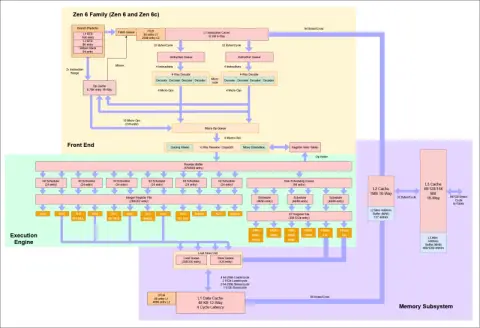
Zen 6 boosts branch handling, instruction throughput and vector loads; Zen 6c trades clock speed for larger out-of-order structures and L3 cache.
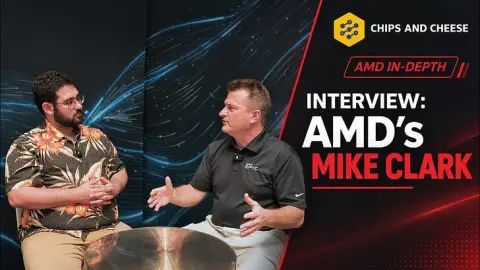
Mike Clark explains how Zen 6 and Zen 6c balance frequency, core density, vector throughput and cache bandwidth across AMD’s next-generation CPU designs.
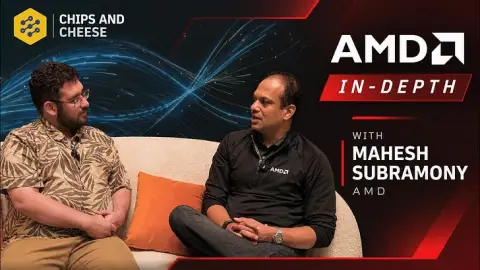
Venice reaches 1.6 TB/s between chiplets and I/O dies, while separate SP7 and SP8 designs balance compute, memory and PCIe needs.
LOMR schedules hinge on matching the effective study’s HEC-RAS version and avoiding review cycles; solver speed is often a smaller factor.
OB7AI scans a CNC mill once, then handles part loading and unloading without new AI training cycles for each job.
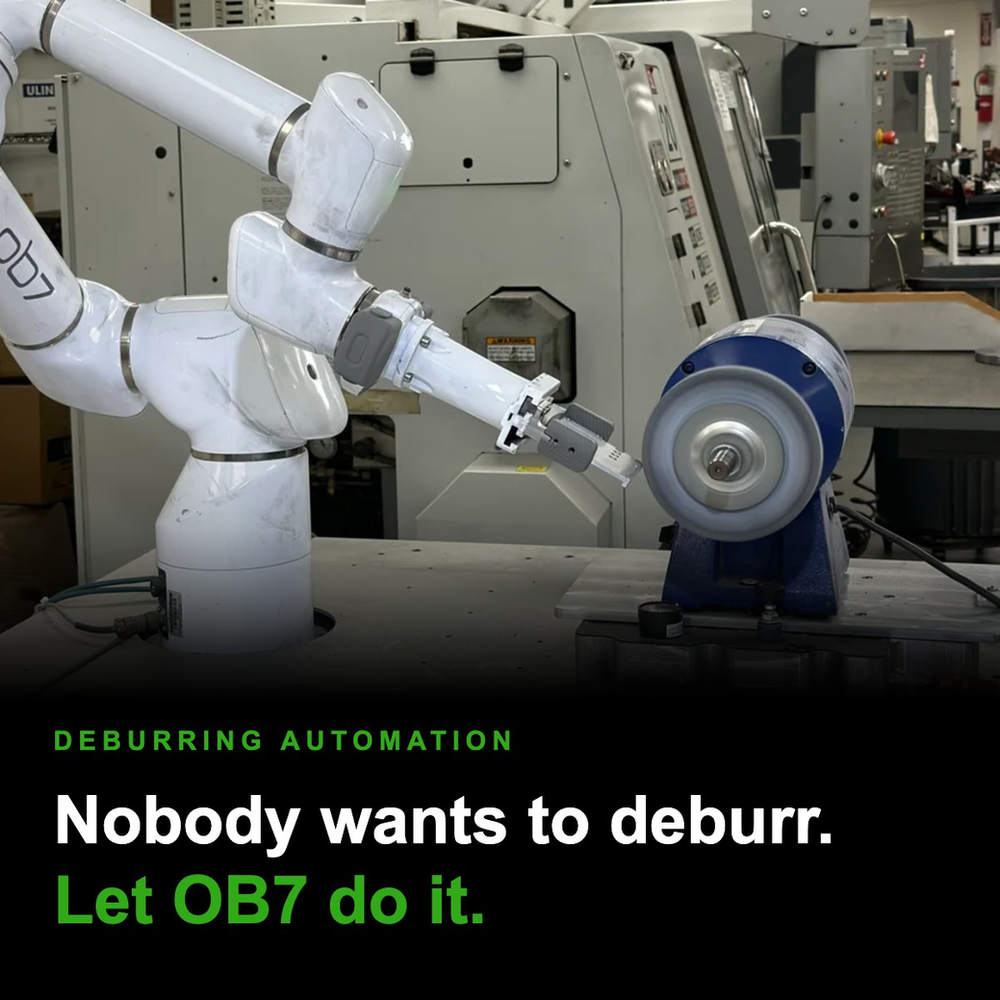
Productive Robotics says its OB7 cobot doubled gear deburring throughput and cut scrap from 10% to 1% in its Carpinteria factory.
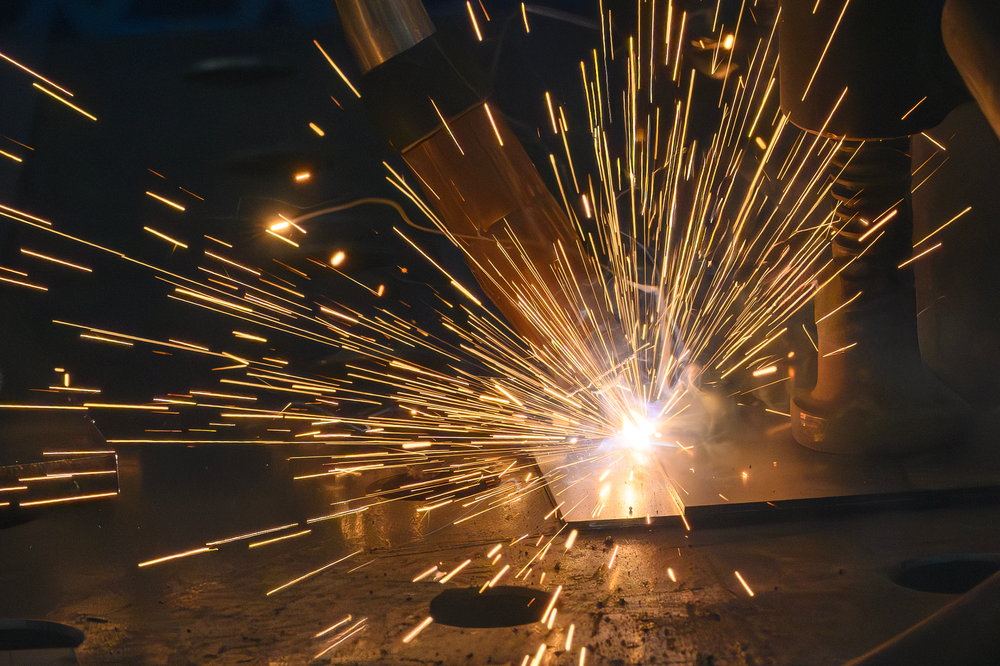
Short circuit, spray and pulse transfer trade heat, spatter, penetration and deposition rate differently, shaping which mode suits a weld.
EN 9100 ties aerospace PCB quality to controlled production, supplier oversight, traceability and corrective action across a board’s lifecycle.
Lexium robots span cobots, SCARA and Delta machines, with controllers, transport, digital twins and simulation tools for connected automation.
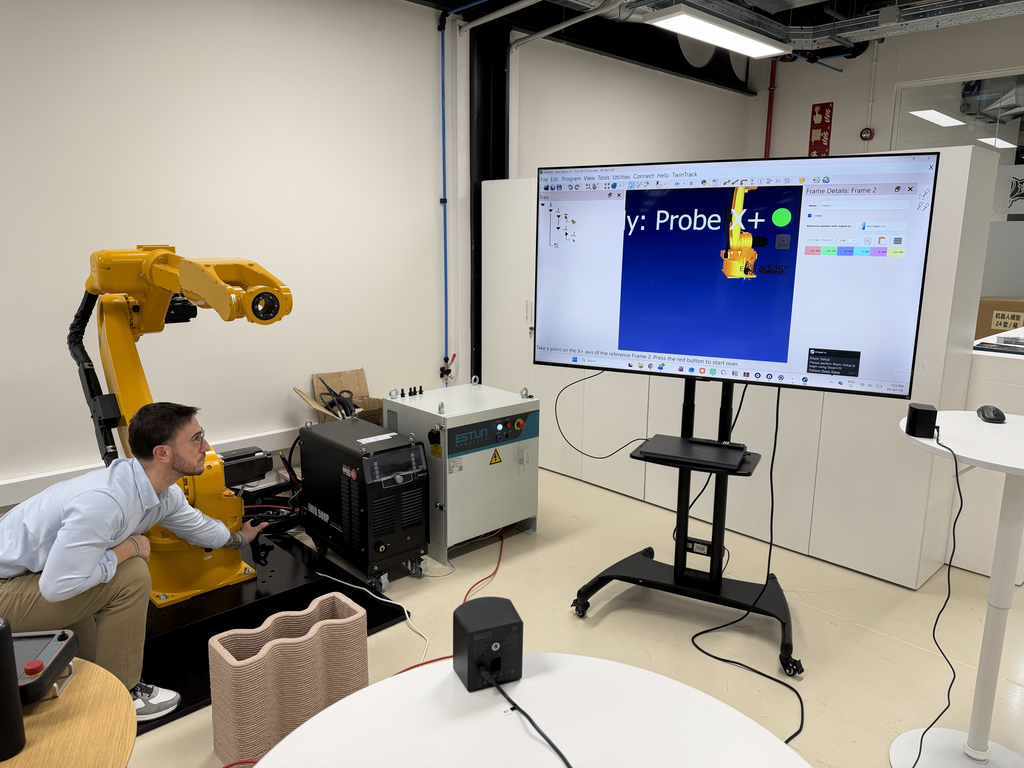
ESTUN robots are now integrated with RoboDK for simulation and offline programming, following months of joint technical work.
RoboDK Companion executes programming commands, while its Virtual Assistant answers questions about simulation and automation.
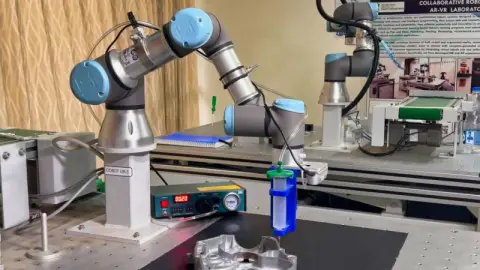
A UR3, RealSense camera and YOLOv8 vision system adapted glue paths to part orientation without external markers or laser scanners.
Data centers, chipmaking equipment and robotics extend AI’s hardware supply chain, creating opportunities for machining suppliers with strong process control.
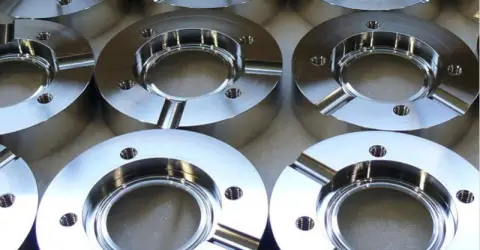
Polishing can improve cleanability, contact and corrosion performance, but material removal and finish requirements need control.
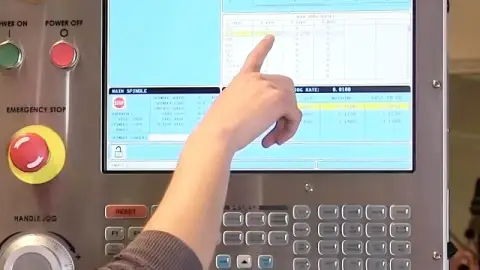
CNC programming turns part requirements into toolpaths and machine commands, shaping accuracy, surface finish, cycle time and production consistency.
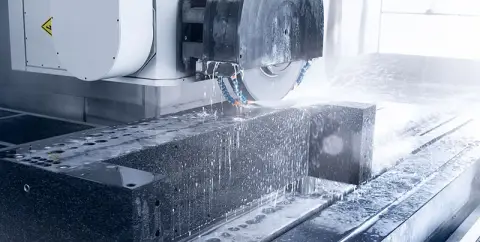
Surface grinding controls flatness, parallelism and finish after machining. Wheel choice, dressing, workholding and heat management determine the result.