Nike and Zellerfeld Use 3D Printing for Eight City-Specific Air Max Shoes
Nike’s Air Works program pairs eight designers with Zellerfeld printing, using limited local releases to test new Air Max designs and production models.
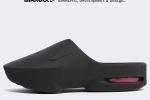
Nike’s Air Works program is testing what 3D printing can change in footwear production: how a shoe is designed, where it is made available and how small a production run can be. Its fourth design, an Air Max silhouette by Los Angeles designer Masyn, was developed with Nike mentors and footwear printing specialist Zellerfeld. The October release is one of eight limited designs scheduled to reach each creator’s local community before Air Max Day 2027.


A production route for small runs
Air Works brings together Nike’s Air Max design history and additive manufacturing. In conventional sneaker production, uppers are cut and stitched while soles are molded. Producing a new design can require dedicated tooling, which makes very small runs harder to justify. Printing offers a different route: it can reduce the need for design-specific tooling, making limited batches of several distinct silhouettes more practical.
That production choice shapes the program’s release model. Each designer is set to offer a limited “friends and family” version of their shoe in their home community. The series gives Nike a way to put multiple designs into circulation without first producing them at the scale typically associated with a broad retail launch. The source doesn’t specify print materials, machine settings, quantities or production times, so the manufacturing comparison is about the stated tooling advantage rather than a measured cost or throughput claim.
Nike and Zellerfeld have already worked together on the Air Max 1000, first released in limited drops in late 2024, and the Air Max 1000.2, which reached retail at $179 in May 2026. The Air Max 1000 is also heading to Nike By You, pointing toward personalization for individual buyers. Air Works takes a different approach: its designers and city-based releases are selected in advance, with each shoe shaped around a creator’s perspective and local community.
Eight designers, one program
Nike Sportswear brought eight independent designers from Beijing, London, Los Angeles, Mumbai, New York, Paris, Shanghai and Tokyo to its Philip H. Knight Campus in Beaverton, Oregon. During a four-day session from May 11 to 14, 2026, they worked with Nike designers and engineers to develop their own Air Max styles, with Zellerfeld providing the 3D printing route.
The designers also visited Nike’s Air Manufacturing Innovation facility, Department of Nike Archives, Nike Sport Research Lab, Blue Ribbon Studio and Bowerman Footwear Lab. That schedule connected the design work with Nike’s manufacturing, research and footwear resources. Nike Sportswear vice president and creative director Andy Caine described the program as a way to combine outside creative perspectives with Nike’s tools and experience, while asking what Air Max could become for a new generation.

The release sequence
Masyn’s Los Angeles design follows shoes by Motoi Hatsuki of Tokyo in July, Tasnim of London in August and Marc Su of Beijing in September. Jose Wong of Shanghai is scheduled for December, followed by Yams of Paris in January 2027, Omi of New York City in February and Diya Joukani of Mumbai in March. Nike’s current schedule leaves November without an Air Works release. Joukani’s shoe had originally been slated for that month, but the timeline now places it last in the series.

The city-by-city sequence makes the program more than a collection of eight designs. It links each limited release to a specific creator and community, while giving Nike a recurring way to explore how Air Max can be shaped and worn in different places. The shoes are meant to reflect their designers’ experiences and the local cultures that have influenced Air Max.
From limited drops toward individual fit
Zellerfeld’s other footwear projects show several ways additive production can support design and fit. Hugo, a sub-label of Hugo Boss, released the HUGO FORWARD x Zellerfeld loafer as a single printed unit fitted to each wearer. That model avoids standard sizing and assembly, and it doesn’t depend on holding finished stock in conventional sizes. UK label Mallet London adapted its Neptune silhouette into the 3D printed Nebula, citing added design freedom and faster turnaround.
Independent designer Sean Wotherspoon’s Sean Double U collection includes a sneaker and a mule, each printed as one piece without glue or stitching. Zellerfeld’s marketplace, relaunched in July 2026, added creator rankings based on demand and fit profiles that retain buyers’ measurements. That approach lets demand influence which creators gain visibility. Nike’s Air Works model instead begins with a chosen group of eight designers and ties each shoe to a planned local release.
These examples point to a wider set of uses for printed footwear: short runs for a defined audience, one-piece construction and products fitted to an individual wearer. Air Works concentrates on the first of those, while Nike’s move toward Air Max personalization suggests the production model could also serve customers one at a time. The key test will be how far the company can carry the program’s limited, locally focused designs into a more repeatable made-to-order offer.
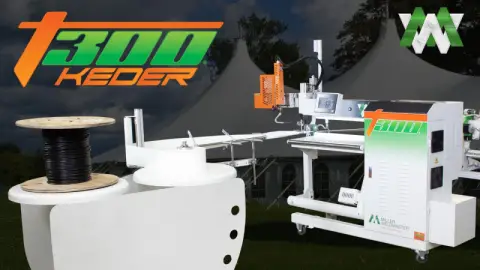 Choosing Single, Double, Welded Flap and Repair Keder for Fabrication
 Houston Engineering Team Builds a Welcoming Golf Tournament at East River 9
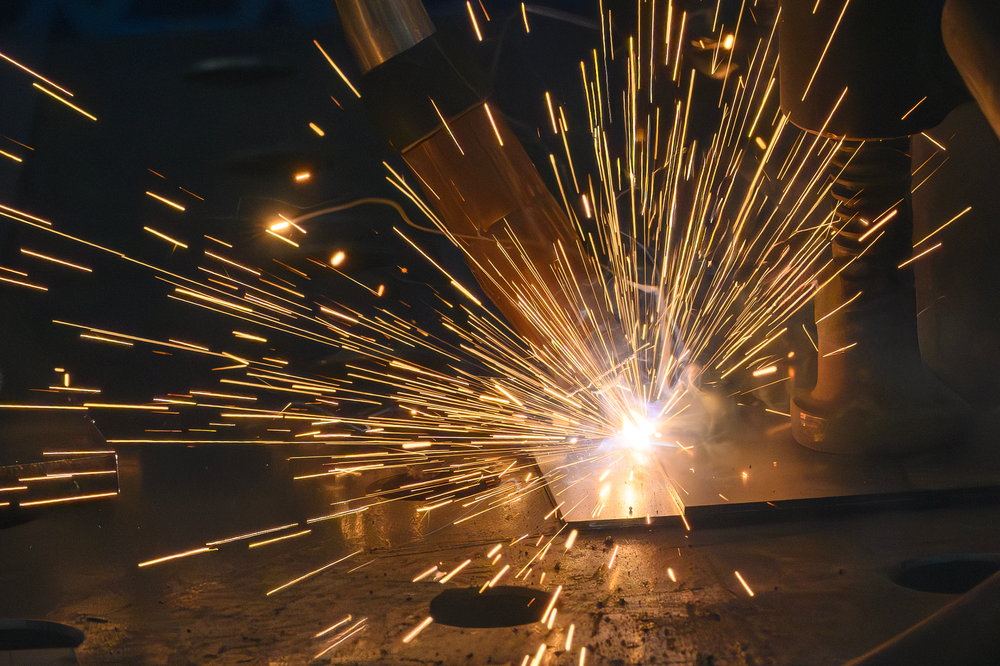 MIG Transfer Modes: Choosing Between Short Circuit, Spray and Pulse