CNC Steel Machining: Material Grades, Processes and Quality Factors
Steel part performance and cost depend on grade, geometry, tolerances and finishing. CNC turning, milling and inspection choices shape the result.
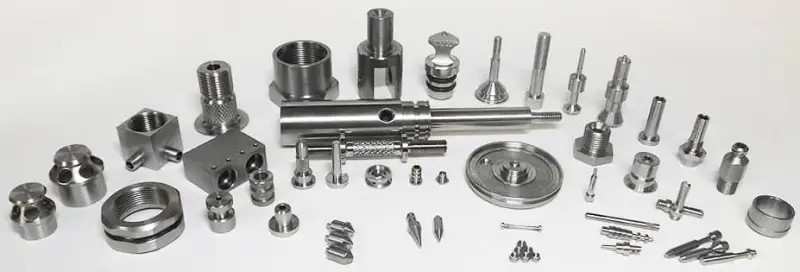
Steel machining decisions affect more than the shape of a part. Material grade, cutting strategy, tolerances and finishing all influence whether a component meets its functional requirements and can be produced consistently. CNC machining supports parts from prototypes to repeat production, but the process needs to be planned around the steel’s properties and the features that matter most.
Computer controlled tools remove material from steel stock through operations such as turning, milling, drilling, boring and threading. They can create holes, mounting faces, slots, grooves and complex contours with repeatable tool movement. That repeatability is useful when a drawing specifies feature locations and controlled dimensions across multiple parts.
Choose steel for the part’s working conditions
Steel grades vary in strength, hardness, machinability, corrosion resistance and response to heat treatment. Selecting a grade starts with the component’s loads and operating environment, then considers how the material will be machined and finished.
Carbon steel is used for many general mechanical and industrial parts, including shafts, brackets, spacers and mounting components. Low carbon grades typically offer good machinability and weldability. Medium carbon grades can provide greater strength and hardness, particularly after suitable heat treatment.
Alloy steel can be formulated for improved strength, toughness, fatigue resistance or wear resistance. It appears in shafts, gears, transmission components and tooling related parts. Its properties can demand closer attention to cutting tools, machining parameters and heat treatment.
Stainless steel is useful where corrosion resistance or durability matters, including equipment components, fluid handling parts and machinery exposed to moisture or certain chemicals. Grades 304 and 316 are widely used; other grades may suit particular strength or hardness requirements. Stainless steel can work harden and generate heat during cutting, so tooling, cutting conditions and chip control affect tool life, dimensions and surface quality.
Tool and hardened steels suit parts that need hardness, wear resistance or strength in demanding service. Depending on the grade and treatment, they may be used for tooling components, fixtures and wear parts. A common process consideration is when to machine relative to heat treatment: rough machining can precede treatment, with finish machining or grinding used afterward to reach final dimensions.
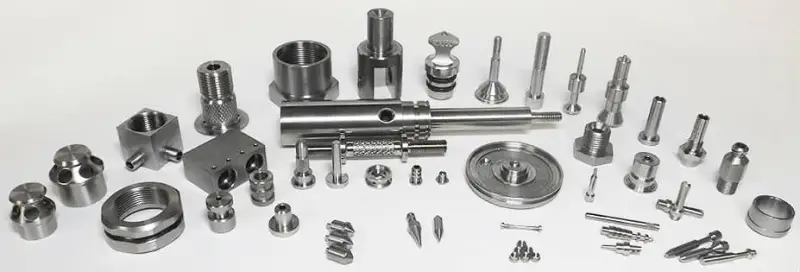
Match the machining process to the geometry
CNC milling produces flat surfaces, pockets, slots, contours and three dimensional features. It is suited to parts such as mounting plates, brackets, housings, fixtures and structural components. Multi axis machining can handle more complex geometry and may reduce setups. When features intersect, planning their machining sequence and workholding helps preserve positional relationships.
CNC turning is used for rotational parts such as shafts, pins, bushings, threaded components and spacers. It can produce controlled diameters, grooves, shoulders, tapers and threads. Parts that combine cylindrical and milled features may use both turning and milling; combining operations can reduce handling and help keep features aligned.
Drilling and boring create holes to specified dimensions, while tapping or thread milling produces internal threads for fastening, positioning, fluid transfer or assembly. For holes with critical locations or tight positional tolerances, the setup and machining sequence are part of the accuracy plan.
Secondary work may include deburring, grinding, heat treatment or surface finishing. Black oxide, zinc plating and other coatings may be considered for corrosion protection, appearance or wear performance, provided the treatment suits the steel and its application. Coating thickness and heat treatment distortion can affect final dimensions, so they need to be accounted for when tolerances are specified.
Plan tolerances, finish and inspection together
Material properties, tool choice, workholding and cutting parameters all influence the finished part. Harder or stronger steels may need more capable tooling and lower cutting speeds than easier to machine grades. Selecting a grade that fits the function can avoid unnecessary machining demands.
Tolerance requirements affect machining time, tooling, measurement and cost. Tight limits may call for more stable workholding, finishing operations or frequent checks. Since not every dimension has the same functional importance, drawings should identify critical features clearly; this gives manufacturing and inspection teams a practical basis for allocating precision.
Surface finish can affect friction, wear, sealing, fatigue behavior and appearance. Tool geometry, cutting conditions, material and machining strategy all shape the result. When a particular roughness is required, the drawing should specify the target and how it is to be measured.
Heat treatment can raise hardness, strength or wear resistance, but may also introduce residual stress or dimensional change. For parts that need both high hardness and tight tolerances, the order of rough machining, treatment and finish operations matters. The appropriate sequence depends on the material, geometry and final requirements.
Inspection checks the finished part against the drawing and agreed acceptance criteria. Depending on the component, checks can cover dimensions, threads, surface roughness and visible defects. A coordinate measuring machine (CMM) may be appropriate for complex geometry or critical positional relationships. Inspection reports can document measured dimensions and other agreed results.
Applications and cost drivers
CNC steel parts serve industrial machinery, transportation equipment, automation systems, agricultural machinery and general mechanical engineering. Examples include machine brackets, shafts, mounting blocks, fixtures, housings, pins, spacers, positioning components, linear motion parts and repair components. Some oil and gas equipment also uses machined steel parts designed for specified service conditions.
The right grade and process depend on loads, operating temperature, exposure to corrosive substances, wear conditions and required service life. These same requirements shape the cost. Material grade and stock size affect material expense and machinability. Deep pockets, thin walls, complex contours and multiple setups increase programming effort and machining time. Tight tolerances can require extra process control, measurement and finishing.
Quantity also matters: prototypes and small batches may carry more setup and programming cost per part, while larger runs can spread setup costs across more components, depending on the process. Heat treatment, grinding and plating add secondary processing costs. CMM measurement, material documentation and detailed inspection reports may also affect a quotation.
Prepare a complete part specification
Custom steel machining can support prototype development, small batches and repeat orders. A useful project review considers the drawing, material, geometry, machining sequence, finishing and inspection requirements as one manufacturing plan. That makes it easier to assess whether the specified grade and tolerances suit the part’s function and production needs.
For a quotation, provide 2D engineering drawings or 3D CAD files, the required steel grade and quantity, critical tolerances, surface finish and treatment requirements, and any inspection or documentation needs. Those details give the manufacturer a basis to evaluate the machining and finishing operations—and to identify where design choices affect cost or production consistency.
 Choosing Single, Double, Welded Flap and Repair Keder for Fabrication
 Houston Engineering Team Builds a Welcoming Golf Tournament at East River 9
 MIG Transfer Modes: Choosing Between Short Circuit, Spray and Pulse