PVC Truck Tarp Welding: Seam Design, Materials and Production Planning
Truck covers face repeated vibration, wind and tie-down loads. Welding method, fabric choice and reinforcement all affect seam durability.
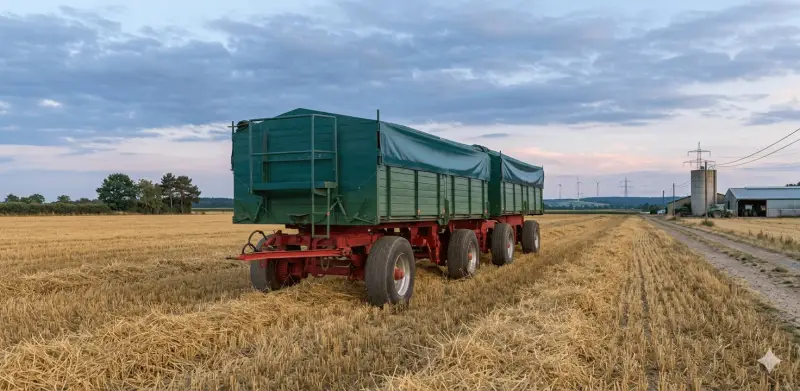
Truck cover fabrication is a system design problem as much as a joining process. The cover has to keep cargo protected while its fabric flexes with the vehicle, catches wind and transfers force through hems and tie-down points. A seam that looks sound on the worktable still has to withstand repeated movement on the road.
For fabricators, that means choosing material and welding methods around the cover’s application, then checking that reinforcement and attachment details work with the seams. Seasonal demand adds a production constraint: shops need enough capacity to meet orders without losing control of weld consistency.
Design for the forces the cover will see
Truck covers encounter a combination of weather and mechanical loading. Road vibration repeatedly flexes the fabric and its seams. Wind can lift and press against broad areas, while straps and grommets concentrate tension at specific points. Rain, snow and road spray also put a premium on keeping the cargo covering weather resistant.
The load pattern depends on the cover type. A side curtain moves laterally as a trailer opens and closes, with stress around its top rail, bottom hem and attachment points. Flatbed and open-bed covers face wind lift across the covered area, while their perimeter tie-downs carry tension. Dump truck covers can see substantial mechanical and environmental stress as well.
These differences affect seam placement, hems and reinforcement. A custom-fit cover can reduce flapping and aerodynamic drag, while its dimensions should suit the goods being transported. PVC covers can also help contain dust, debris and moisture. Fabricators can use the hauling application to guide construction choices; truck tarp types are discussed in this application overview.
A side curtain’s repeated movement makes flexibility and attachment details part of the design. The T600 Flex is one example of equipment intended for a range of industrial fabric products and seam configurations.
Welding creates a continuous seam
Heat welding joins compatible thermoplastic surfaces by applying controlled heat and pressure. Unlike stitching, the process does not leave needle holes through the coated fabric. That can reduce potential paths for water and avoids relying on thread to hold the joint as it flexes.
The practical result depends on material compatibility and well-controlled process settings. A welded seam is not automatically reliable just because it is continuous: the fabric, heat, speed and pressure need to work together. Fabricators assessing construction can review seam strength testing considerations alongside their own application requirements.
Hot wedge for long, straight joins
Hot wedge welding places a heated metal wedge between the material layers. The wedge transfers heat directly to the surfaces, and pressure rollers then bring those heated layers together. Direct contact suits long, straight seams where repeatable travel speed, temperature and pressure matter.
Large truck cover panels often need long joins, making this method a useful choice for straight bed seams. The process is described in more detail in this overview of hot wedge welding.
Hot air for shaped areas and repairs
Curved nose sections, shaped panels and repair work may call for more maneuverability. Hot air welding directs heated air between material layers before pressure is applied, allowing the operator to follow a curved or detailed section. Where the application permits, the source guidance calls for a fused overlap in the 1.5 to 2-inch range.
Shops making several cover styles may also consider high frequency welding for suitable PVC-coated applications. The appropriate technology depends on the material and the seam geometry. A practical division is hot wedge for long, straight bed panels; hot air for curved or shaped sections; and either method for hems and pockets, depending on their configuration. Patch work calls for hot air or another method suited to the application.
Match PVC fabric to the cover and process
Truck cover fabrics commonly range from 450 to 900 gsm, but weight alone does not determine weldability or suitability. Base fabric construction, coating formulation, coating consistency and intended use all affect how a material responds to heat. Two fabrics of similar weight can behave differently if their coatings differ.
Heavier material may need different heat, speed and pressure settings from lighter fabric. But heavier is not automatically better. A flatbed or dump application may call for a heavier construction than another use, while a side curtain also needs to accommodate repeated movement. The choice should reflect the load, abrasion, flexibility requirements, weather exposure, cover design and welding process.
When a new material enters production, test welds help establish suitable settings. Temperature, speed and pressure may need adjustment to produce the intended bond. Recording the results gives operators a reference for later runs and can help keep seams consistent when material changes. More information on welding thermoplastic materials can help frame that evaluation.
Material selection should follow the actual hauling conditions. Heavy-duty tarps are suited to long-haul routes and abrasive materials, while light-to-medium-duty tarps can suit short-haul work and milder climates. Those are broad application considerations; the fabricator still needs to evaluate the specific cover design and material.
Grommets and tie-downs carry load
Grommets are part of the load path from the fabric to the vehicle. Each tie-down point introduces concentrated force, so a strong perimeter weld by itself does not guarantee that the attachment area will hold up. Hem design, reinforcement, grommet placement and the securing method need to be considered together.
For general heavy-duty tarp applications, grommet spacing may fall around 12 to 18 inches. That range is not universal. Cover geometry and operating conditions determine the layout, and high-wind or high-vibration use may call for closer spacing or added reinforcement, especially at corners and other high-load areas.
Flatbed and open-bed covers need distributed tie-down points, with attention to corners and high-tension areas. Side curtains need particular care around rails, hems and attachment locations because of their repeated lateral movement. Dump and other heavy-duty covers may need additional reinforcement where forces concentrate. Ropes or spring clamps can secure a cover, depending on the setup.
Reinforcement can spread force across a larger area rather than leaving the grommet to carry it alone. Fabricators should also consider how close a heavily loaded attachment sits to a weld line: without enough reinforcement, that placement can transfer stress into the seam. A cover’s durability comes from the interaction of its material, seams, hems, reinforcement and tie-downs.
Plan production before seasonal orders build
Winter brings snow, rain, freezing temperatures and road spray, increasing the need to protect cargo. Fabricators preparing for seasonal demand can review production volume, machine capacity, labor needs and changeover times before orders peak. When a shop is already near capacity, added work can affect lead times.
Automation and higher-throughput welding equipment can support repeatable seams while reducing manual handling. The objective is to increase output while maintaining process consistency. Miller Weldmaster describes its automated tarp and cover welding solutions for this type of production. Its T600 Cover heavy-duty tarp welder is another option for industrial cover fabrication.
Fleet operators can also inspect covers before winter, looking for worn seams, damaged attachment points and covers nearing the end of their useful life. Checking a truck tarp before each use can reveal damage early. For fabricators, customers who plan replacements ahead of severe weather can help distribute production across a more manageable schedule.
Inspection, repair and care
Compatible PVC-coated fabrics can often be repaired by welding a patch or reworking a damaged area. The suitable method depends on where the damage sits, how extensive it is, the condition of the surrounding material and whether enough sound fabric remains for a reliable bond.
Routine care also affects service life. Clean the tarp with mild soapy water and a soft brush, scrubbing gently as needed; strong cleaners can harm the fabric. Keep the tarp dry to limit contamination, and don’t open it while driving at high speeds.
No single fabric weight, welding method or grommet spacing fits every truck cover. The sound approach is to start with the hauling application, test the actual material, and make seams and attachment points work as one load-bearing system. That preparation supports durable covers and steadier production when seasonal orders arrive.
 Choosing Single, Double, Welded Flap and Repair Keder for Fabrication
 Houston Engineering Team Builds a Welcoming Golf Tournament at East River 9
 MIG Transfer Modes: Choosing Between Short Circuit, Spray and Pulse