Streaming Scan Over PCIe Connects Tessent Patterns to Teradyne UltraFLEXplus
Tessent patterns travel over a device’s PCIe interface to UltraFLEXplus, keeping setup, execution, debugging and diagnosis within familiar test flows.
Moving scan patterns into larger devices is becoming a test-time and integration problem as well as a design-for-test problem. AI and data center chips contain more logic and scan content, while chiplet packages bring together dies with separate test needs. Siemens Tessent Streaming Scan Network (SSN) paired with Teradyne UltraFLEXplus offers one route through that growth: deliver deterministic scan content over a high-speed interface already present on the device, then handle execution and debug within the tester’s established programming environment.
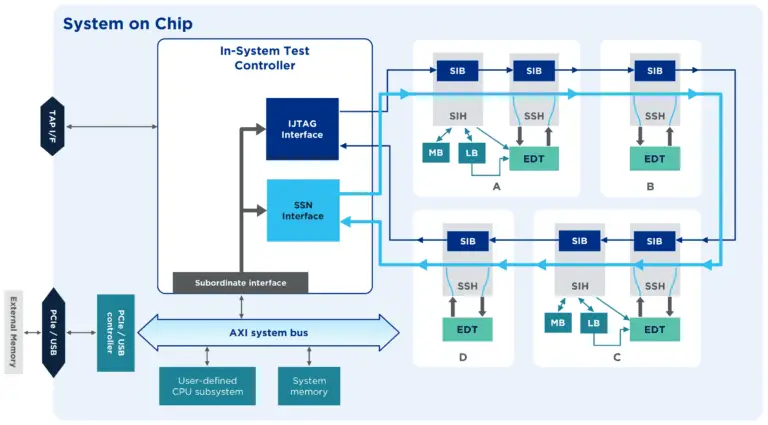
SSN packetizes scan data for delivery and sharing across cores. Tessent In-System Test extends that approach with an on-chip controller that accepts deterministic patterns through a standard AXI bus. The device can receive those patterns through a functional interface such as PCIe or USB, rather than requiring a dedicated test port for this path. The arrangement makes the existing interface part of the route between test content and scan logic.
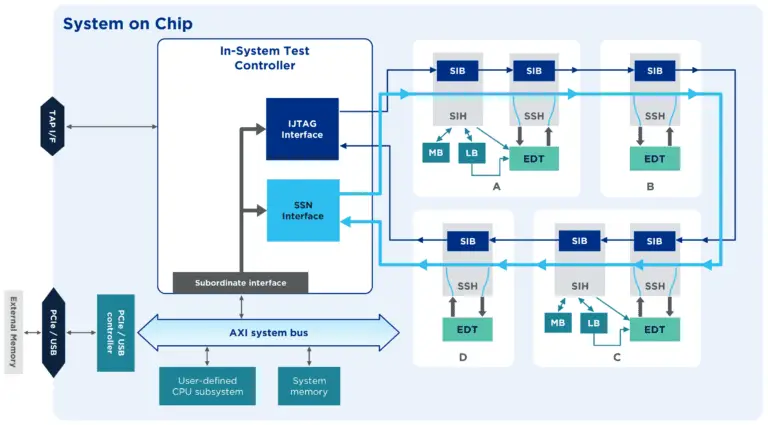
Fig. 1: In-System Test Controller (ISTC). Source: Teradyne
Keeping the tester flow familiar
Teradyne’s integration brings Siemens Tessent Silicon Executable into the UltraPort server and IG-XL software on UltraFLEXplus. Test content created in the Tessent shell flow travels to the device over its PCIe interface through UltraPort. Engineers can set up, run and debug the test within the standard IG-XL programming model they already use on the platform.
That continuity matters because a new transport path can otherwise add work across several stages: engineering bring-up, test development and production. Here, the pattern generation flow remains connected to execution at the tester. Failure data returns in formats used by the Tessent diagnosis ecosystem, allowing established yield and failure analysis processes to consume the results. Teams can keep familiar pattern and diagnosis tools in the loop while using PCIe to move the scan content.
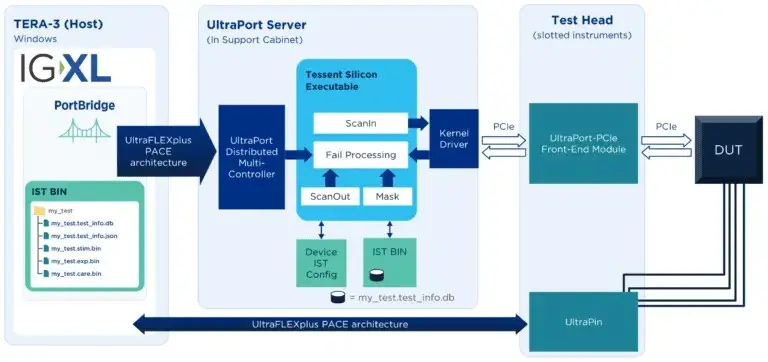
Fig. 2: Tessent Silicon Executable running on the UltraPort Server. Source: Teradyne
From design patterns to production use
The companies describe this work as part of a collaboration dating to 2000, when built-in self-test was connected with automatic test equipment. In 2019, Tessent ATE-Connect and Teradyne PortBridge addressed silicon bring-up and debug on ATE. The newer integration applies Streaming Scan Network content on UltraFLEXplus, extending the connection between design-side test development and execution on the tester.
The engineering value is less about replacing the test flow than about carrying its work across environments. Patterns prepared during design can continue into tester use, bench work and in-system test. A team can patch and rerun patterns within the same flow that generated them, and return failure information through formats its diagnosis tools already handle. When the hardware, embedded software and integration are supported together, teams also have a shared point of support for issues that span those boundaries.
Deterministic EDT patterns can be applied at ATE, system-level test (SLT) and in-system. That gives teams a way to carry pattern content between these stages and update it as fault models change. The practical effect depends on the device interface and the surrounding test setup, but the architecture described here aims to keep DFT work useful beyond the design environment where it began.
Why interface choice matters
Pattern volume can grow with logic and core counts, and chiplet packages add test content associated with multiple dies. Sending scan data through an interface the device already carries can help address bandwidth needs without introducing a separate dedicated port for this delivery path. The source describes the goal as keeping test time in line as pattern volume rises; it does not provide throughput figures or comparative test-time measurements.
Test cost is also shaped earlier in the design process, when teams choose DFT architectures. As devices grow and packages combine dies, the design decisions that determine how patterns are generated and delivered can affect later test work. A close match between the DFT tools and the test platform gives teams a more direct path from those choices to production test capability.
For engineers evaluating SSN over PCIe, the central consideration is workflow continuity: Tessent-generated content reaches the device through UltraPort, execution and debug remain in IG-XL, and diagnosis receives failure data in familiar formats. The approach connects design-time DFT decisions to tester operations while giving teams a route to reuse deterministic patterns across ATE, SLT and in-system testing.
 Choosing Single, Double, Welded Flap and Repair Keder for Fabrication
 Houston Engineering Team Builds a Welcoming Golf Tournament at East River 9
 MIG Transfer Modes: Choosing Between Short Circuit, Spray and Pulse