Connected EV Charging Points in Europe and North America Set to Reach 35.6 Million by 2030
The connected charger base reached 12.9 million in 2025. Software platforms and managed charging will shape how operators control costs as networks expand.
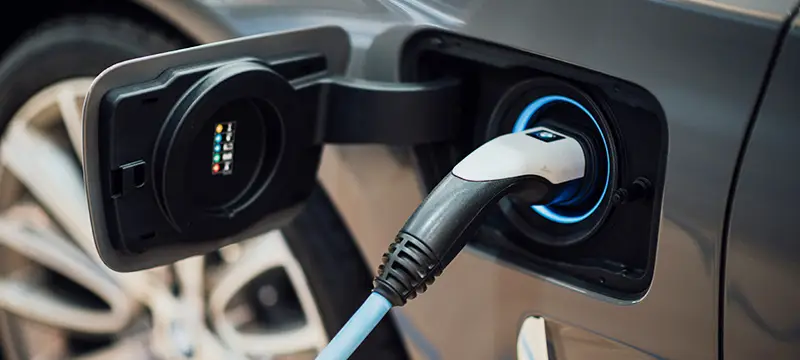
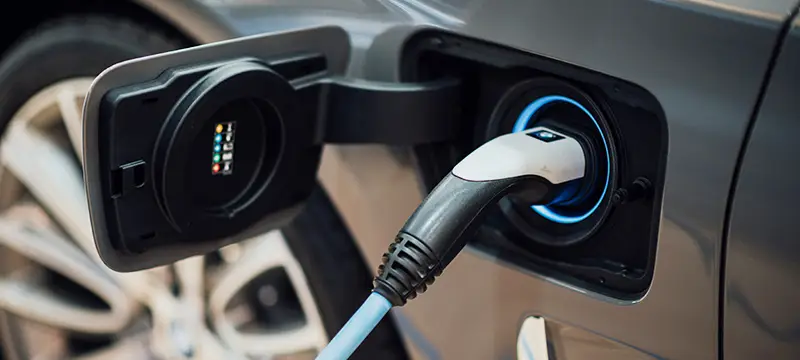
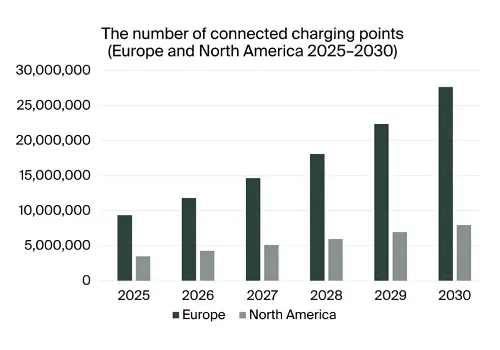
Connectivity is becoming a significant part of the electric vehicle charging network in Europe and North America. An estimated 12.9 million charging points across the two regions were connected in 2025, and Berg Insight projects that figure to reach 35.6 million by 2030, a compound annual growth rate of 23 percent. For operators, the expansion increases the importance of software that can monitor chargers and adjust their operation to changing energy costs and grid conditions.
Europe leads in connected charging points
Europe accounted for about 9.4 million connected points in 2025, with connectivity penetration at 78 percent. North America had around 3.5 million connected points and a 66 percent penetration rate. These figures describe connected chargers, rather than the total number of charging points in either region.
The difference in penetration indicates that Europe’s installed charging base was more extensively connected by this measure. Across both regions, the projected increase to 35.6 million connected points would give charging network software a larger role in operating infrastructure. That growth depends not only on adding chargers, but also on connecting them to systems that can manage their status and charging output.
Software and operating models vary by region
Charging station back-office platforms come from several kinds of providers: specialist software companies, charger manufacturers and charge point operators (CPOs). Some CPOs build their own platforms and also make them available to other operators as white-label products. The market therefore combines companies that focus on software with businesses that pair software with hardware or charging services.
ChargePoint is a leading North American player, supplying its own hardware and software while also operating as a CPO. It also leads the region in the number of charging points connected to its platform. Other providers with notable connected charger bases in North America include Blink Charging, Flo, EV Connect, SWTCH and Tesla.
Specialist software vendors are more prominent among the European platforms identified by Berg Insight. Examples include Chargecloud, Last Mile Solutions, Monta, Virta, GreenFlux, Driivz and AMPECO. Hardware-focused companies such as Easee, Zaptec and Pod also have many connected charging points, though their software generally covers a narrower range of use cases.
Full-service providers have a smaller presence in Europe than in North America. Shell Recharge Solutions and BP Pulse have narrowed their focus significantly in recent years, while some European CPOs have moved their charging stations onto platforms supplied by specialist software firms. That shift points to increasing specialization: operators can concentrate on running charging networks while relying on dedicated vendors for platform functions.
Connectivity can help manage energy costs
Caspar Jansson, an IoT analyst at Berg Insight, described EV charging markets in Europe and North America as turbulent in recent years. Sales of electric vehicles and charging infrastructure have continued to rise, but growth has been slower and less even. Market conditions have prompted consolidation, cost-reduction efforts and strategic changes among charger manufacturers, software providers and CPOs. Jansson also cited shifting priorities and economic uncertainty as factors making support for the market less predictable, while incentives and regulations continue to support it, particularly in Europe.
Energy costs give connectivity a practical operating purpose. Large charging loads that occur intermittently can increase costs through demand charges, while fluctuating electricity prices make expenses harder to predict. Connected systems can adjust charger output in response to electricity prices, available grid capacity and vehicle requirements. As Jansson explained, coordinating output can help operators limit demand peaks and control costs.
Home charging can benefit from similar controls. A connected home charger can schedule charging for periods when electricity is cheaper, coordinate a vehicle’s charging with household consumption and solar generation, and record charging for a company vehicle to support reimbursement. The value depends on the charger’s software and its ability to account for those conditions; connectivity alone doesn’t set energy prices or guarantee savings.
As the connected base grows, the practical distinction between charger hardware and the platform managing it will matter more to network operators and users. The forecast points to a larger role for connected systems, while the choice of provider will continue to depend on the functions an operator needs and the operating model it uses.
Report brochure: EV Charging Infrastructure in Europe and North America.
 Choosing Single, Double, Welded Flap and Repair Keder for Fabrication
 Houston Engineering Team Builds a Welcoming Golf Tournament at East River 9
 MIG Transfer Modes: Choosing Between Short Circuit, Spray and Pulse